
Searching the Catawba County Court Docket
Start at the North Carolina Portal. That is the public online home for a Catawba County court docket now that the county joined the statewide eCourts system in October 2025. There is no separate local docket site. Pick Smart Search, type a full record number or a party name, and then set the advanced Location filter to Catawba County so the results stay local. The record that opens is a Case Summary or Register of Actions, the public event history of the case. It is not a clerk-certified copy. A missing case could be restricted, indexed under a different label, still processing, or sitting in a local file.
A complete identifier sharpens any Catawba County docket search. Enter names in last-name, comma, first-name order. Portal also lets you narrow by case type, status, filing date, and, where appropriate, a date-of-birth range. Broad name searches can flood you with matches, since results cap at 200 entries, so the location and case details matter. When the online result stays unclear, the clerk counter and the public self-service terminal are still part of the case lookup path.
- Open North Carolina Portal and select Smart Search.
- Enter a record number or a name in the portal's stated format.
- Open Advanced Filter Options and select Catawba County as the location.
- Use public case type, status, or date filters only when they help distinguish results.
- Open the underlined case number, then ask the Catawba Clerk for an official copy when one is required.
Note: a Portal result helps you locate a Catawba County case, but certified court records come from the clerk, not the online copy. The county's Clerk of Court office page names the local office that keeps those records.
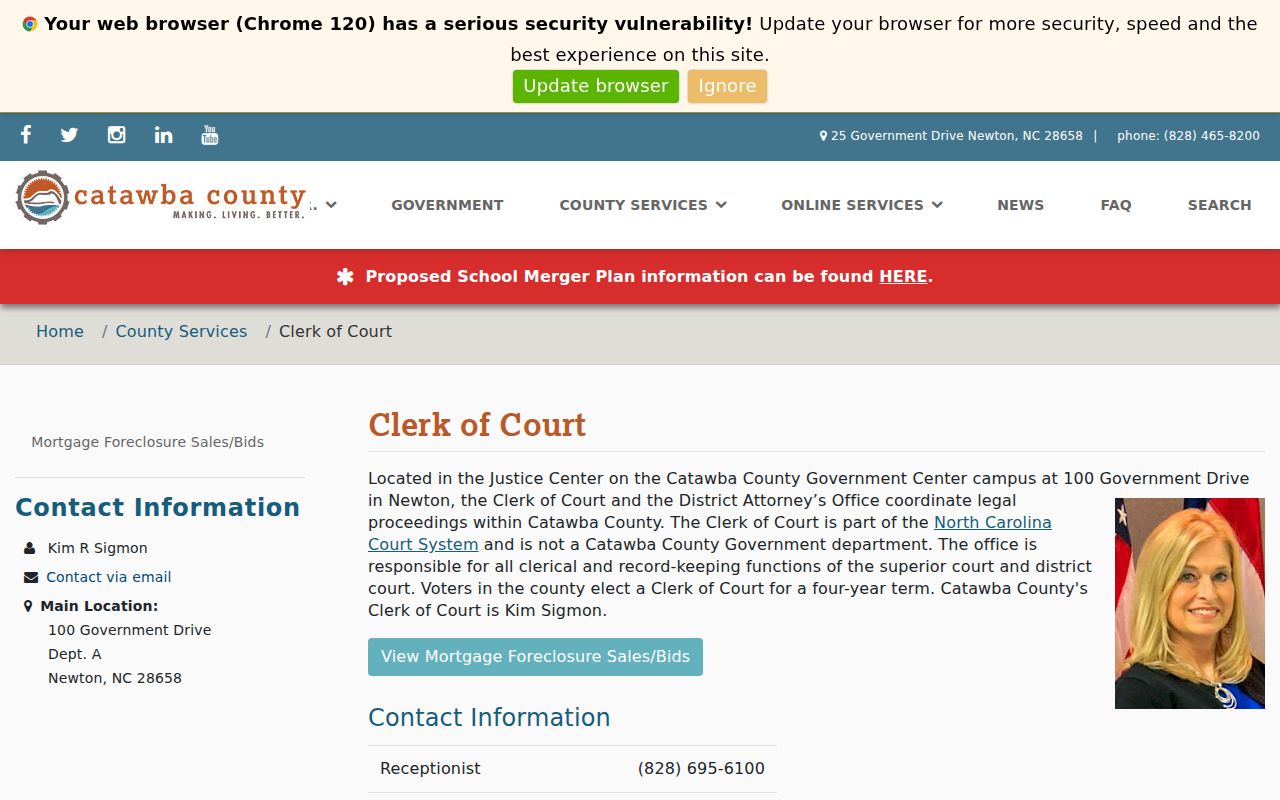
When a public search leaves questions, the clerk office is the Catawba County fallback for file checks, copy requests, and routing answers.
Catawba County Portal Search Fields
Catawba County uses the same Portal fields as every eCourts county, but the Location field is the one that pulls a statewide search back to the local court record. Smart Search demands a starting criterion before the advanced filters unlock. The official materials label that first box "Record Number or Name." Registration lets a user save public cases in My Cases, and Portal may display only a year for a public date of birth. Signing up never broadens public access. File & Serve is a separate tool for submitting filings. It does not show the Catawba County public docket.
| Portal field | Use for a Catawba County search | Notes |
|---|---|---|
| Record Number or Name | Start a case number or party-name search | Name format is Last, First. |
| Location | Limit statewide results to Catawba County | Apply after the basic search criterion. |
| Case Type | Separate civil, criminal, estate, or other public categories | Available options depend on the record type. |
| Case Status | Narrow a crowded result list | Status labels vary by case type. |
| Filing Date | Set a date range | Use it only when it helps identify the case. |
The Portal landing page shows the public tools that now serve Catawba County.
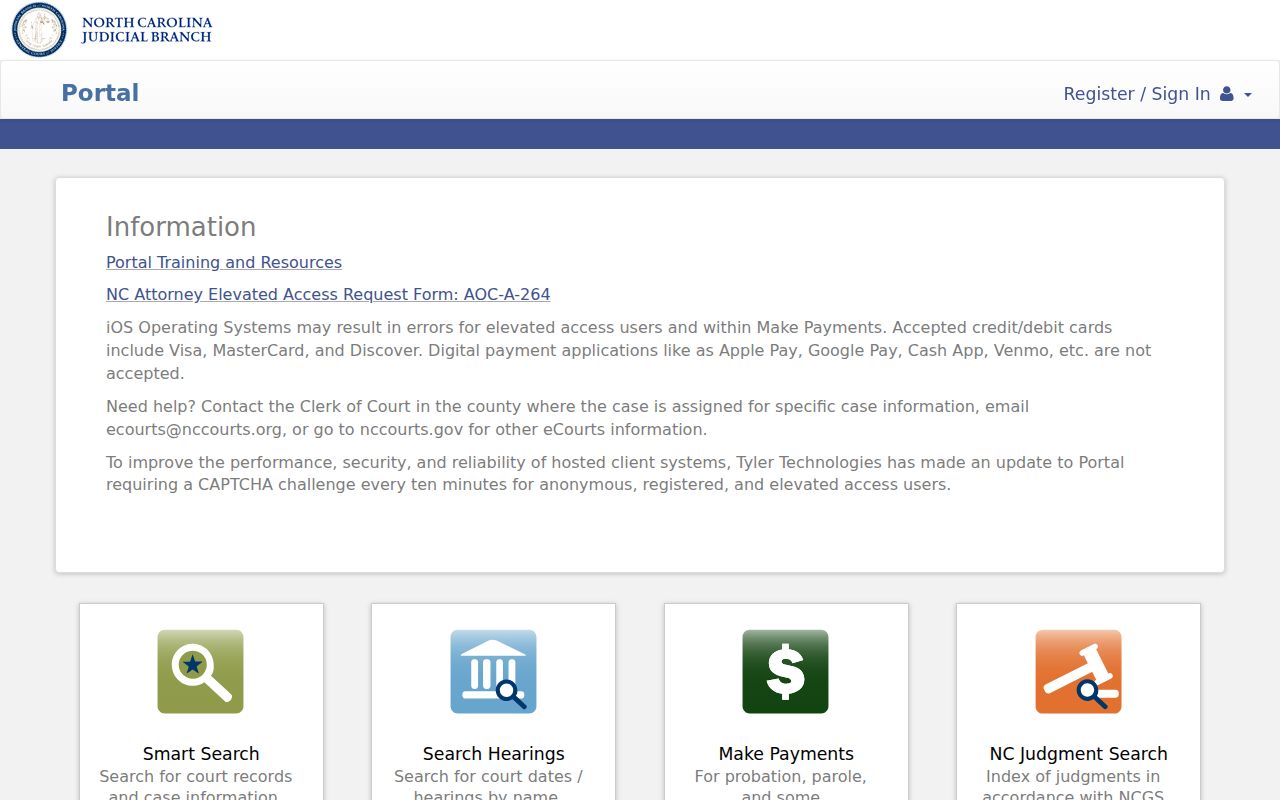
The statewide screen is the first route to a Catawba County Register of Actions, and the county filter keeps that lookup on target.
Inside a Catawba County Court Docket
Portal labels the Catawba County court docket a Case Summary or Register of Actions. Once a result opens, the menu can hold case and assignment information, parties, causes of action in some civil cases, case events, hearings, dispositions, financial information, and public documents. A section shows up only when the case actually has data there, so an absent Financial Information panel says nothing about whether a case is final or public. The safe way to read a docket is in sequence, placing each event within the whole Catawba County record.
Enterprise Justice case numbers follow a pattern. They carry a filing year, case-type letters, a six-digit sequence, and a three-digit county identifier. No confirmed local suffix can be listed here. So treat any Catawba County prefix as a clue rather than proof. Older civil matters still use legacy references. Think CVD for Civil General, CVM for Civil Magistrate, and CVS for Civil Superior. To confirm where a case sits, rely on the assignment information that opens with the case, not the prefix alone.
| Case and assignment | Basic case identity and available court assignment information. |
|---|---|
| Party information | Public party roles, subject to confidentiality limits; victims are not returned in searches. |
| Case events | The dated filing and event trail in the Catawba County Register of Actions. |
| Hearings | Settings when that information is present; current settings can be checked separately. |
| Disposition | The recorded case outcome or status, not an assumption drawn from one event title. |
| Documents | Available public documents, downloaded one at a time when the system permits. |
The Catawba County court contact directory lists the court and clerk routing points behind the online record.
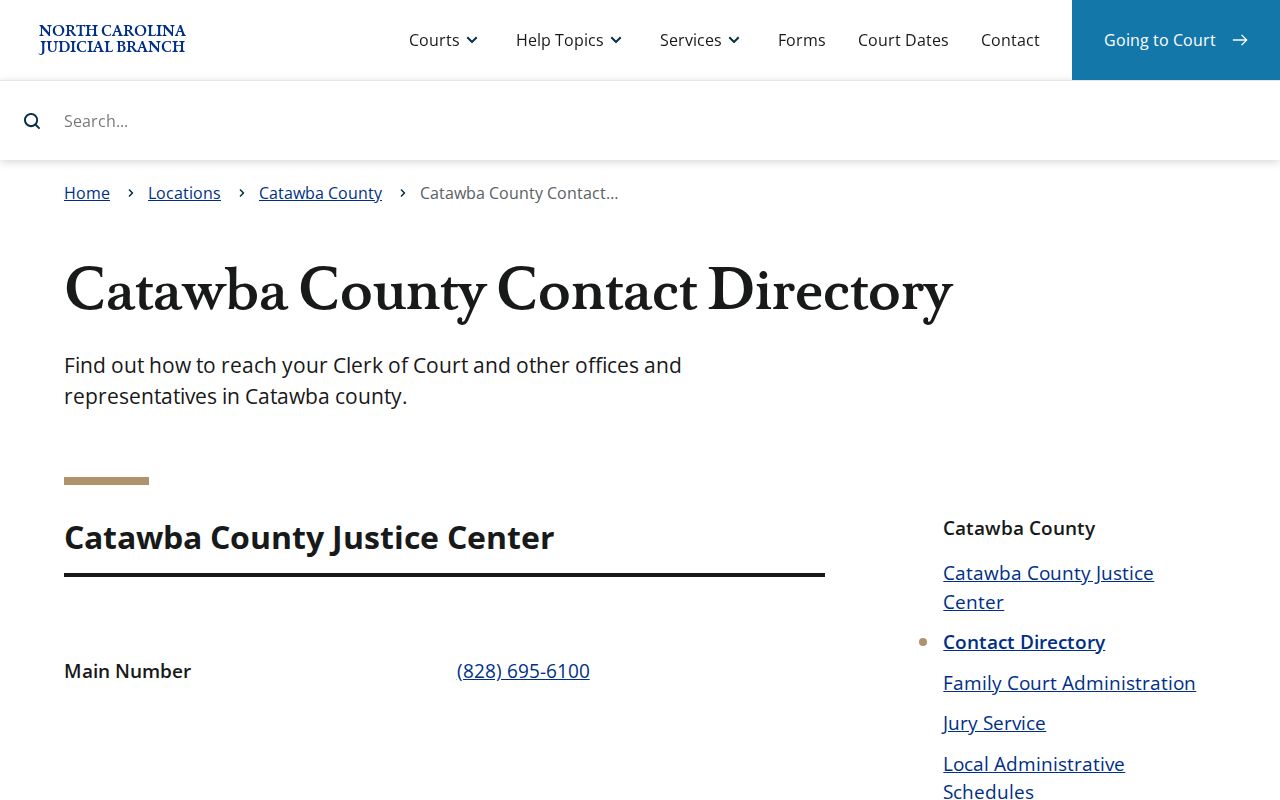
When a docket field needs decoding or a court date needs confirming, call the listed office. A saved search result goes stale fast.
Catawba County Register of Actions Terms
Portal's labels describe what has happened in a Catawba County court file. No single label settles a case by itself. Take an entry marked unserved. That is service status, not a conviction and not a dismissal. A continuance just moves a hearing to a new date with court approval. A disposition is the recorded resolution, or the current outcome status. Read the date, the event title, and the surrounding Catawba County entries together. Only then turn a process marker into a conclusion.
- Case Event
- A docketable action in the chronological Catawba County case timeline.
- Hearing
- A scheduled court proceeding shown when hearing information is available.
- Continuance
- A court-approved postponement of a hearing or trial.
- Unserved
- A status showing service has not been completed or recorded as completed.
- Trial De Novo
- A new Superior Court trial after the applicable District Court appeal route.
North Carolina eCourts finished its statewide conversion, Catawba County included, and Portal became the public route.
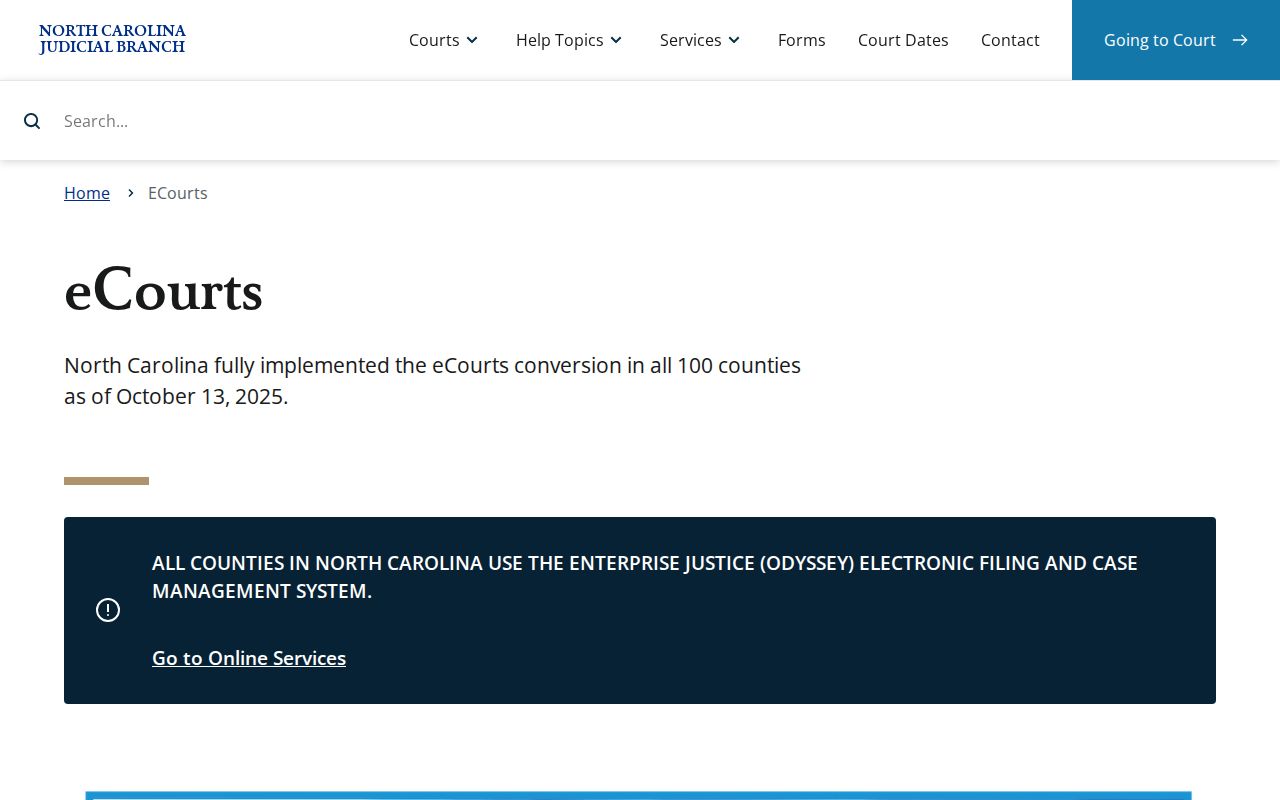
eCourts gave Catawba County a statewide public Portal, but the clerk still keeps the local court records. That role never left.
Courts That Keep Dockets in Catawba County
Catawba County keeps court records in one unified structure. The Clerk of Superior Court maintains the consolidated records. These cover Superior Court and District Court. The office also holds public estate files, special proceedings, small claims, and other clerk-held categories. One Portal location filter can surface any Catawba County case, but the court assignment and case type still shape what you are reading. Superior Court is the general-jurisdiction trial court, handling felonies and major civil litigation. District Court covers misdemeanors, infractions, family and juvenile matters, smaller civil claims, and traffic. Magistrates sit inside the District Court framework. They handle small claims, summary ejectment, criminal process, and initial appearances.
| Catawba County court or office | Docket covers | Where to begin |
|---|---|---|
| Superior Court, Judicial District 19 | Felonies, major civil matters, jury trials, and Superior settings | Portal, then the Clerk or Court Manager. |
| District Court, Judicial District 36 | Misdemeanors, infractions, traffic, family, and smaller civil matters | Portal, then the Catawba County Clerk. |
| Magistrates | Small claims, summary ejectment, criminal process, and initial appearances | Portal and the clerk record system. |
| Clerk of Superior Court | Unified trial-court records, copies, certificates, estates, and special proceedings | Portal, clerk counter, or public terminal. |
The official Justice Center page identifies the shared Catawba County court location.
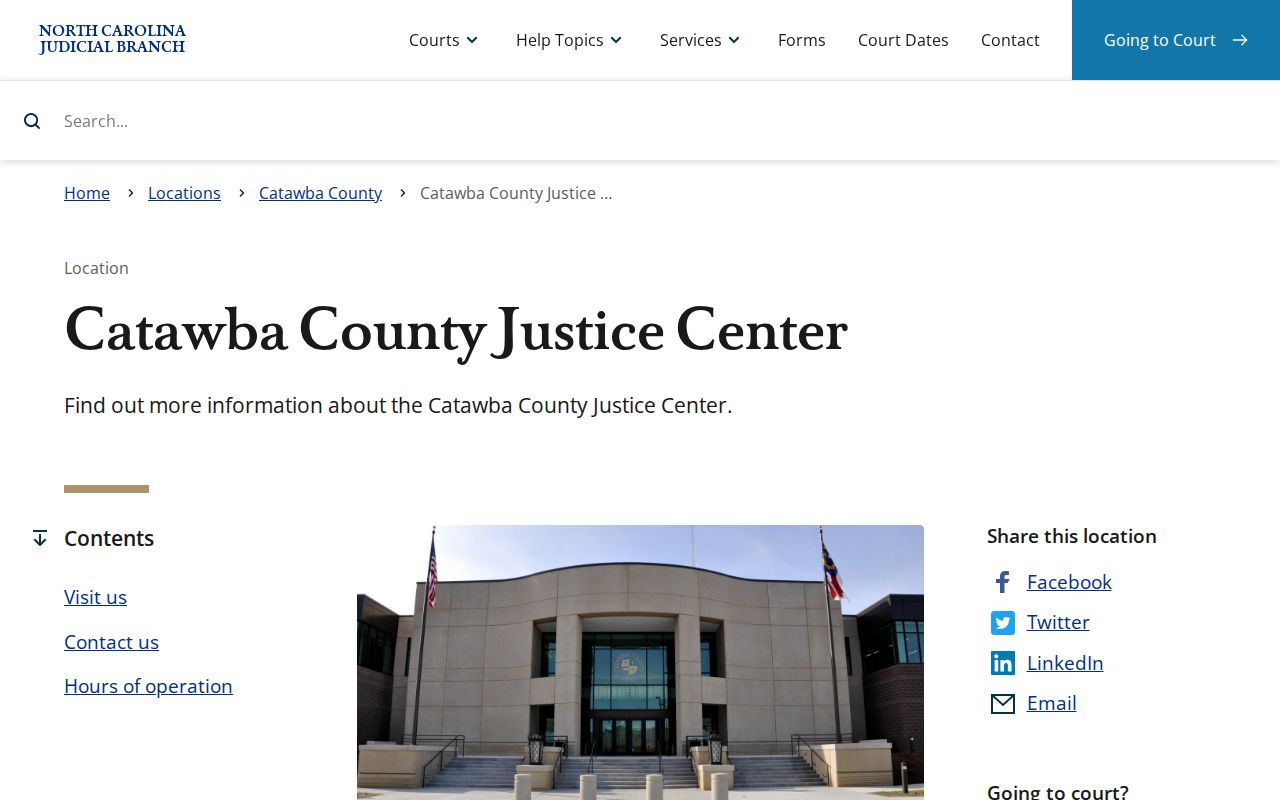
The Justice Center puts the Catawba County clerk and trial courts in one place. Ordinary state-court dockets are not split among city halls.
Catawba County eCourts Record Change
Catawba County joined eCourts on October 13, 2025. The switch changed how local dockets are reached. Plenty of older directions still point to legacy systems that no longer apply. The Portal is the current workflow. Behind it sits Enterprise Justice, the case-management system sometimes called Odyssey. The Register of Actions is now the public online summary for eligible Catawba County records. File & Serve handles filings in that same system. It is a filing tool, not a public case search.
Not every record made the trip. Digitization left real gaps. Legacy data migrated into Enterprise Justice. But some paper files still sit with the clerk. Sealed or confidential materials stay off the Portal. For an older Catawba County case, start with the Portal. Then try a Justice Center terminal or the clerk's file. Archives, transcripts, or audio recordings come last, and only if the office identifies one. The official Catawba eCourts live announcement places the county in the final statewide conversion group.
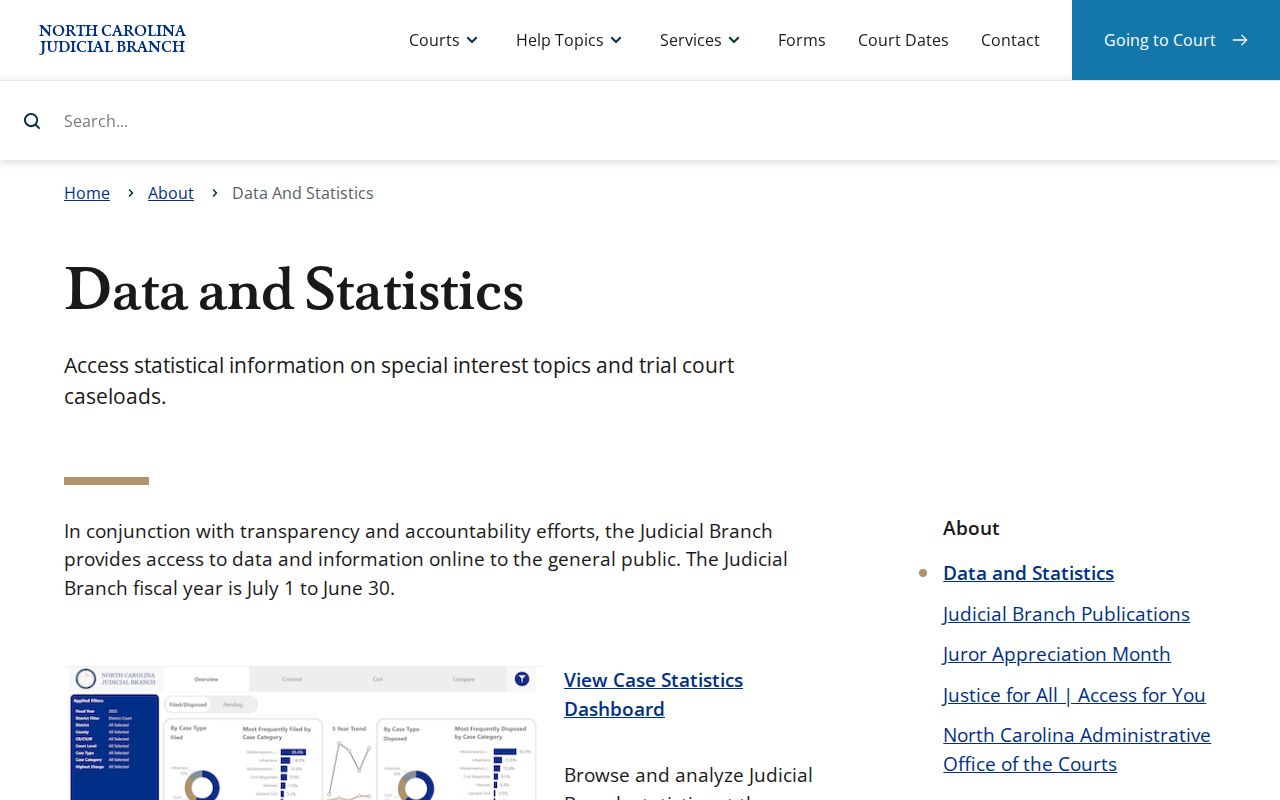
State Judicial Branch reporting describes system data, not a case. The Portal is the tool that actually locates a public Catawba County case record.
How to Find Catawba County Court Dates
There is more than one way to confirm a Catawba County court date. Portal Search Hearings is the fastest electronic option. A Catawba County Case Summary can include a Hearings section too. The local administrative schedules page posts civil and criminal calendars. Does a setting look uncertain? Ask the clerk, the court manager, a courtroom clerk, or the judicial department. Always recheck, because a calendar notice can change after it is posted.
Search Hearings works in steps. Pick Catawba County as the location. Then choose a hearing type, a search type, and its matching criterion. Set a date range too. Search by case number or party name. Business name, attorney name, and attorney bar number work too. Judicial officer and courtroom are options as well. The result shows a current time and place. Portal does not say whether a hearing is virtual or in person. Ask the right Catawba County court office how to appear or connect.
Need more context on a live date? Pair the case result with Catawba County Court Dates when the calendar search runs thin. North Carolina's court-date service points to the current statewide hearing tools.
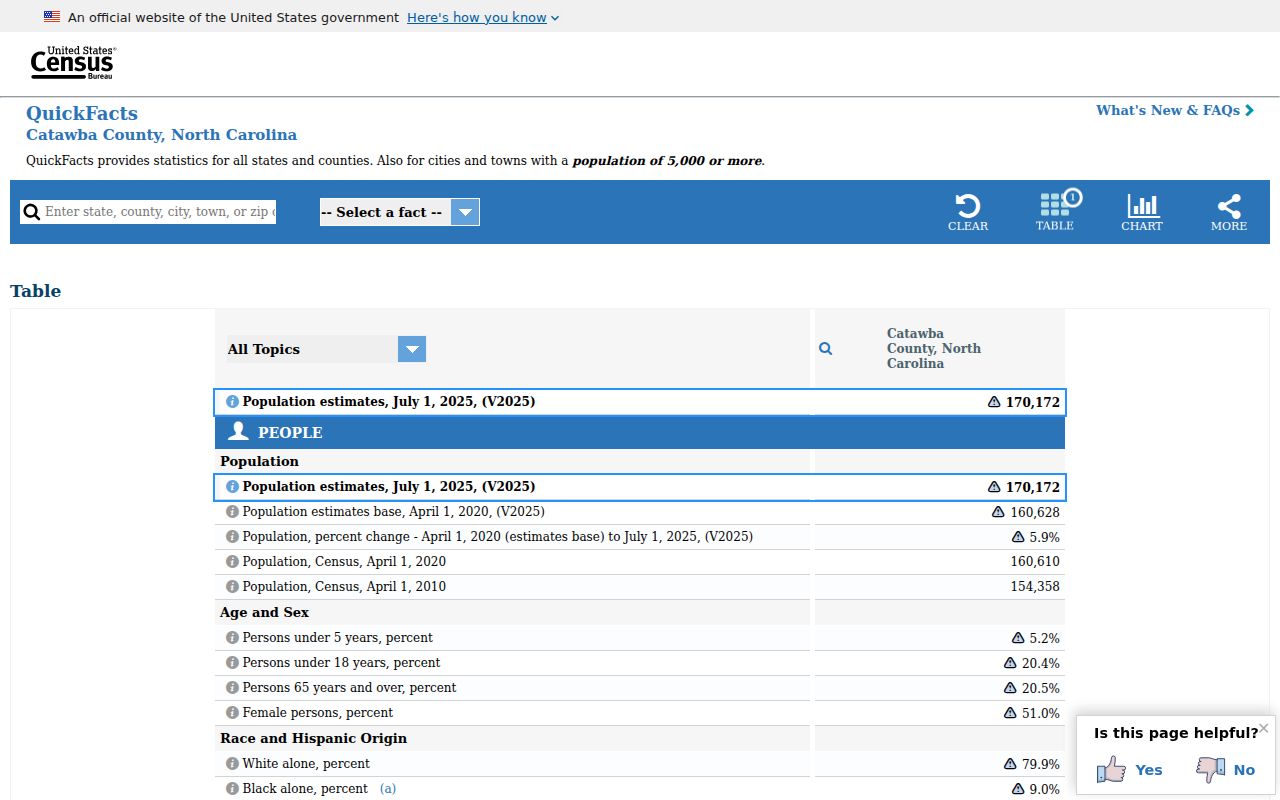
Catawba County runs one countywide court system for all its municipalities. Check a hearing through the courts, not a city department.
Catawba County Civil Calendar Timing
The Superior Court Civil Case Management Plan adds timing detail. A basic Catawba County docket search will not show it. Final motions calendars reach the Portal about five days before each civil session. The Final Trial Calendar appears at least four weeks out. A listed trial counts as scheduled unless a consent order or dismissal resolves it. These rules belong to the Catawba County civil plan that arrived with eCourts.
A civil case listed but not reached is not dismissed automatically. The plan requires action instead. An amended Civil Case Management Schedule is due within five business days after the session. It goes on the next available Final Trial Calendar. Motion hearings are generally in person. A WebEx hearing takes a request, consent from all parties, and the presiding judge's agreement. Portal will not answer that attendance question. Confirm any Catawba County setting with the Court Manager or the clerk.
A Catawba County calendar entry is a setting. It is not a promise. The court may not reach the case at a particular time.
Public Access to Court Dockets
Catawba County court information is public, but only within the limits North Carolina law sets. Public Portal users can search case summaries, events, available hearings, and certain public filings. The Catawba County clerk keeps the trial-court record. A browser result is not a certified copy. Does online access fall short? A clerk counter or public terminal can be the next channel. The rules for that case type still control what you may see.
Key Rules:
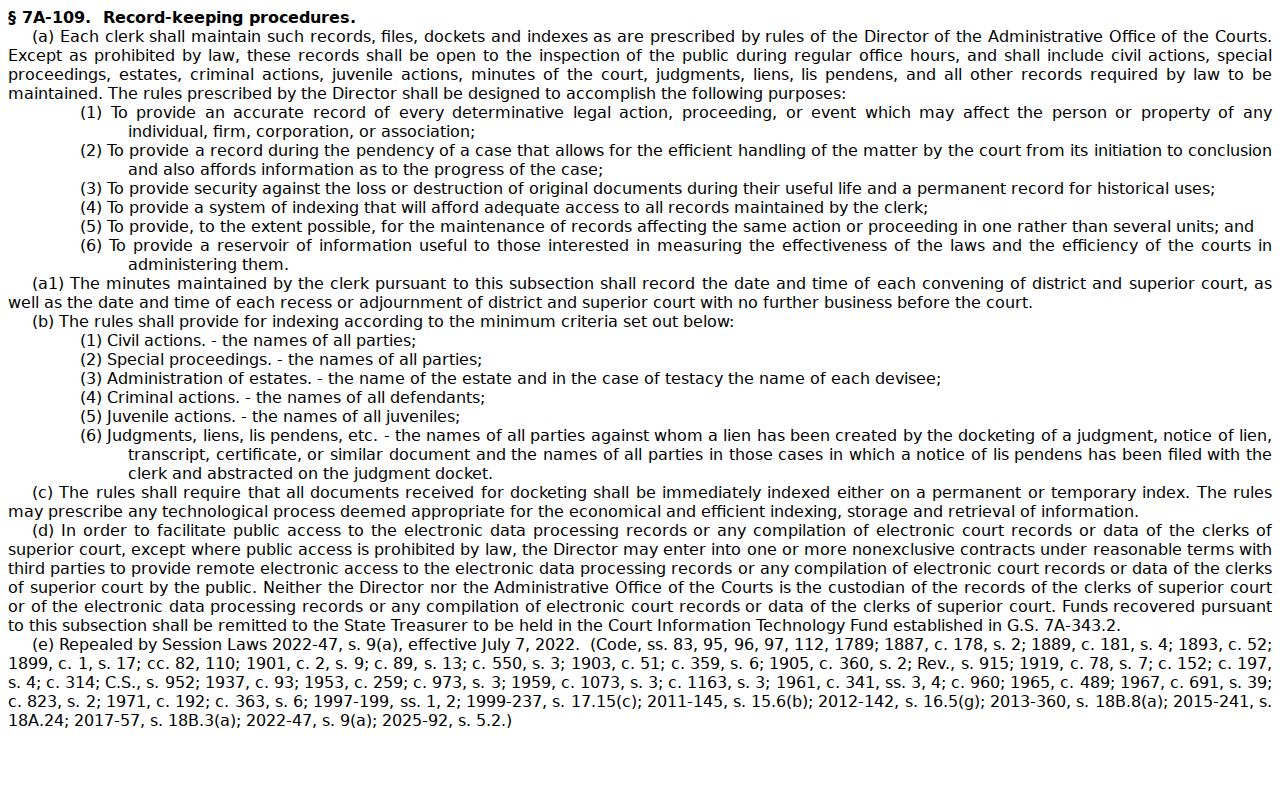
N.C.G.S. § 7A-109 requires each clerk to maintain prescribed records, dockets, files, and indexes that are open for inspection unless law prohibits access.
N.C.G.S. § 7A-308 sets charges for clerk copies, certificates under seal, exemplifications, and searches.
N.C.G.S. § 132-6 provides an inspection and copy route for public records, subject to applicable exemptions.
N.C.G.S. § 7B-3001 makes juvenile records confidential rather than ordinary public-docket search results.
Public access to a Catawba County court record rests on state law. North Carolina's public-record inspection statute is one piece of that framework.
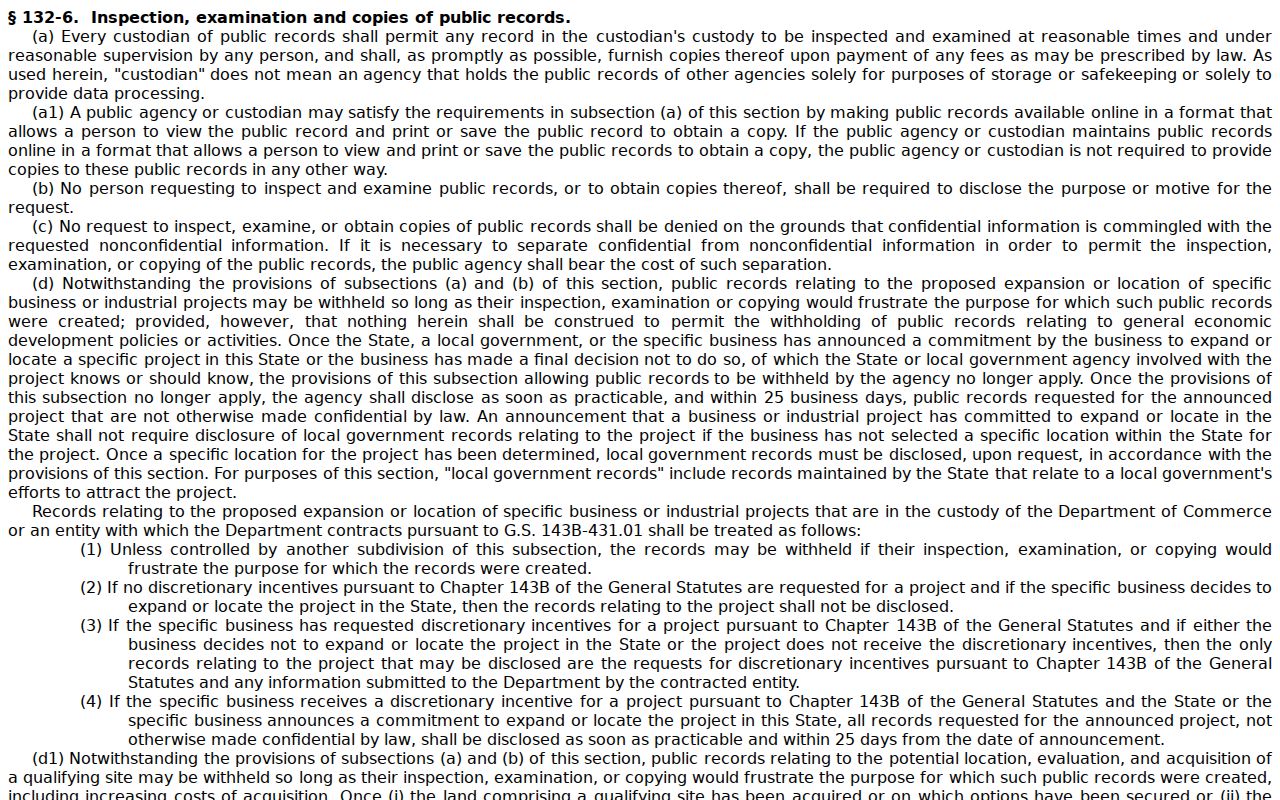
Open access does not erase Catawba County confidentiality rules. An online Register of Actions is still not an official authenticated record.
Why Catawba County Cases May Not Appear
An empty Portal result does not mean the case is over or never existed. Some Catawba County records stay offline by law. Juvenile matters are one category. So are unreturned criminal warrants, protective orders, domestic-violence protection orders, named confidential special proceedings, and certain restraining orders restricted in the state materials. A domestic-violence case can be public while parts of it stay off the internet. Old paper files may simply sit with the clerk.
What happens next depends on the record and your lawful access. Check the spelling, the case-number format, the Catawba County location, and the case type first. Then call the right clerk desk or use the public terminal at the Justice Center. Elevated Portal access requires a statutory basis and an approved role. A basic account does not unlock it. A clerk can point out the lawful next step. No protected Catawba County material goes public that way.
Docket Records at the Clerk's Office
The Catawba County Clerk of Superior Court holds the unified trial-court record. That record includes Superior Court and District Court files. Magistrate matters, estates, special proceedings, and the court-side traffic file sit there too. Visit Department A at the Catawba County Justice Center, 100 Government Drive, Newton, NC 28658. Hours run Monday through Friday, 8:00 a.m. to 5:00 p.m. The main line is (828) 695-6100. Civil, Criminal, Estates/Juvenile, and Family Court desks are separate. An estate question should not land at the same window as a criminal setting.
Start in Portal to find a public Catawba County case number. Need copies, certifications, or anything requiring local review? Use the clerk counter, the public terminal, the phone line, or a confirmed mail procedure. The NCAOC public-record request form covers Judicial Branch administrative records only. It is not the normal route for a Catawba County case-file copy. Confirm a few things before you send anything. Check the document title, case number, certification need, payment method, and delivery steps with the clerk.
Catawba County Clerk of Superior Court
100 Government Drive, Department A
Newton, NC 28658
(828) 695-6100
Catawba County Court Record Copies
Catawba County records come in three layers that people often mix up. The Register of Actions is the event trail. A document is an actual filing, such as a pleading, order, or judgment. A certified copy is a clerk-issued copy under seal. Portal can locate public material, but it cannot replace that seal. Under the clerk's fee statute, the first page of each copied document costs $2.00 to prepare. Each additional page or fraction costs $0.25. A certificate under seal adds $3.00. An exemplification runs $10.00.
| Catawba County clerk service | Statutory amount |
|---|---|
| First copied page of each document | $2.00 |
| Each additional page or fraction | $0.25 |
| Certificate under seal | $3.00 |
| Exemplification of records | $10.00 |
| County criminal-record search | $25.00 |
The statutory copy and certification terms appear on the clerk fee statute.
Before filing a Catawba County request, ask the clerk about the current process. The clerk posts no dedicated certified-copy order form and no posted turnaround time, so confirm both directly.
Catawba County Court Dockets by City
Hickory, Newton, Conover, Long View, and Maiden all have city or town government records. They also have police departments and local offices. None of them runs an independent municipal court docket system like some other states allow. A state traffic, criminal, civil, small-claims, estate, or special-proceeding matter tied to any of these Catawba County cities goes through the county Clerk. The North Carolina Portal handles it as well. The city cards below hold to that boundary while giving city-specific starting points.
Hickory Docket Search
2020 Census population 43,490. Hickory city records are separate from Catawba County court records.
Newton Docket Search
2020 Census population 13,148. Newton is the county seat and the Justice Center location.
Conover Docket Search
2020 Census population 8,421. Conover City Hall is not the court-record custodian.
Long View Docket Search
2020 Census population 5,088. Long View cases use the Catawba County state-court route.
Maiden Docket Search
2020 Census population 3,736. Maiden town records and court records have different custodians.
The county municipality list shows which local governments sit inside the Catawba County court service area.
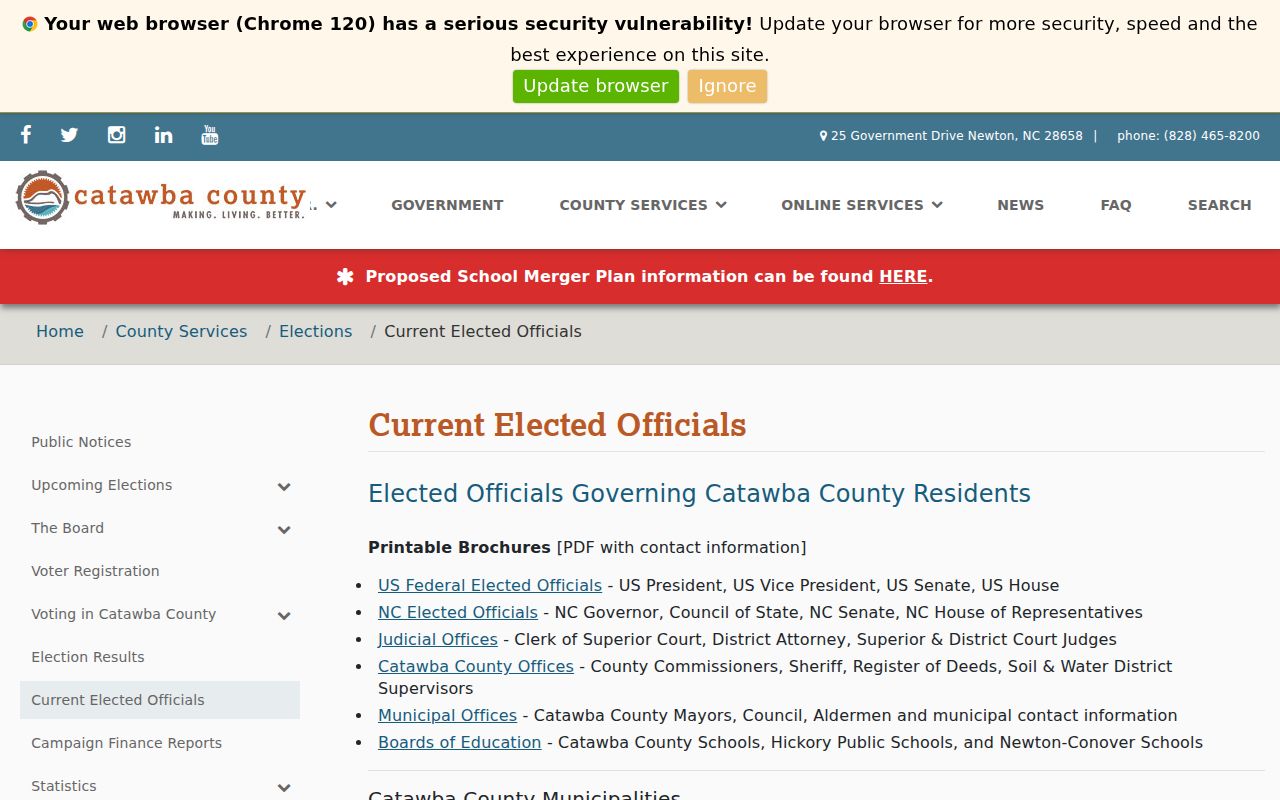
City government pages can answer a municipal-service question. The state-court record route still runs through the Catawba County Clerk and Portal.
Catawba County State and Federal Dockets
A Catawba County state-court docket never becomes a federal docket on its own. It stays state even when a party, a property, or an event sits in the county. Portal and the Catawba County Clerk handle North Carolina trial-court matters. Federal civil and criminal cases belong elsewhere. They go to the United States District Court for the Western District of North Carolina. Federal bankruptcy goes to the United States Bankruptcy Court for the same district. Each system keeps its own records and court numbers.
PACER is the public federal locator. It needs an account and follows its own federal fee rules. PACER does not replace a Catawba County Portal lookup. Portal does not replace a federal case search. Confirm the court of record before you pick a route. That one step keeps a Catawba County docket search pointed at the system that actually holds the file.
Map and Directions to the Catawba County Justice Center
Superior and District Court files for Catawba County are kept by the Clerk of Superior Court at the Catawba County Justice Center, 100 Government Drive, in Newton. The building holds Superior Civil, Superior Criminal, District Civil, District Criminal, Small Claims, Infractions, Domestic Violence, Juvenile, and Special Proceedings functions on one campus. Mail for the clerk is addressed to Department A at the same street address.
Catawba County Justice Center
100 Government Drive, Department A
Newton, NC 28658
(828) 695-6100
Monday through Friday, 8:00 a.m. to 5:00 p.m.
No weapons are allowed in the Justice Center, and courtroom cell-phone use is prohibited by the Sheriff's courts division. Parking, locker, and public-terminal-floor details are not published, so a call to the clerk before a trip helps confirm the current visit procedure.